

Centennial Editions
Centennial Editions celebrate our legacy: books we discovered early, believed in deeply, and still stand by. Read them, re-read them, collect them.
A 1987 Selection.


Centennial Editions
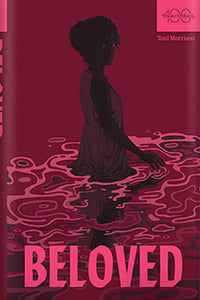
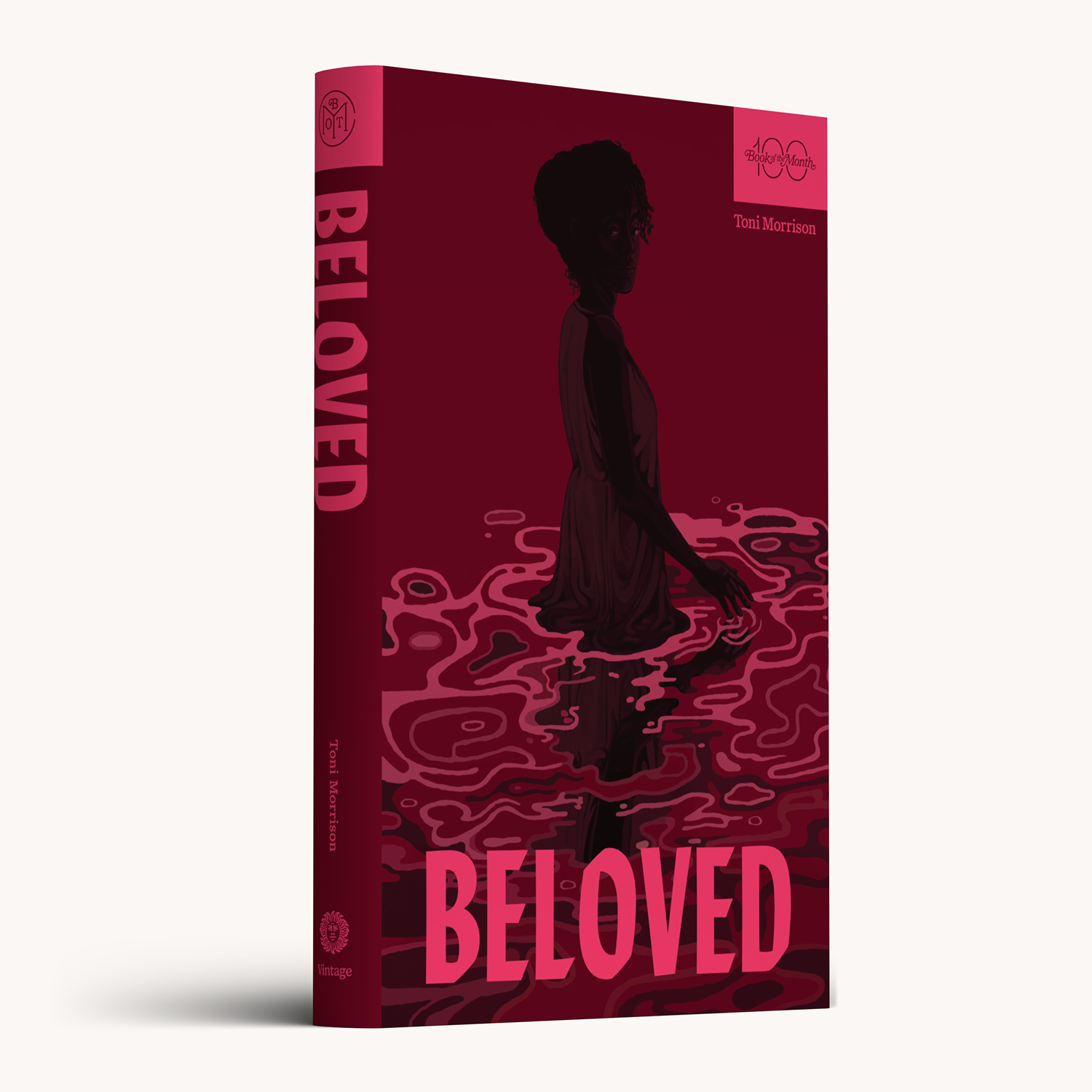
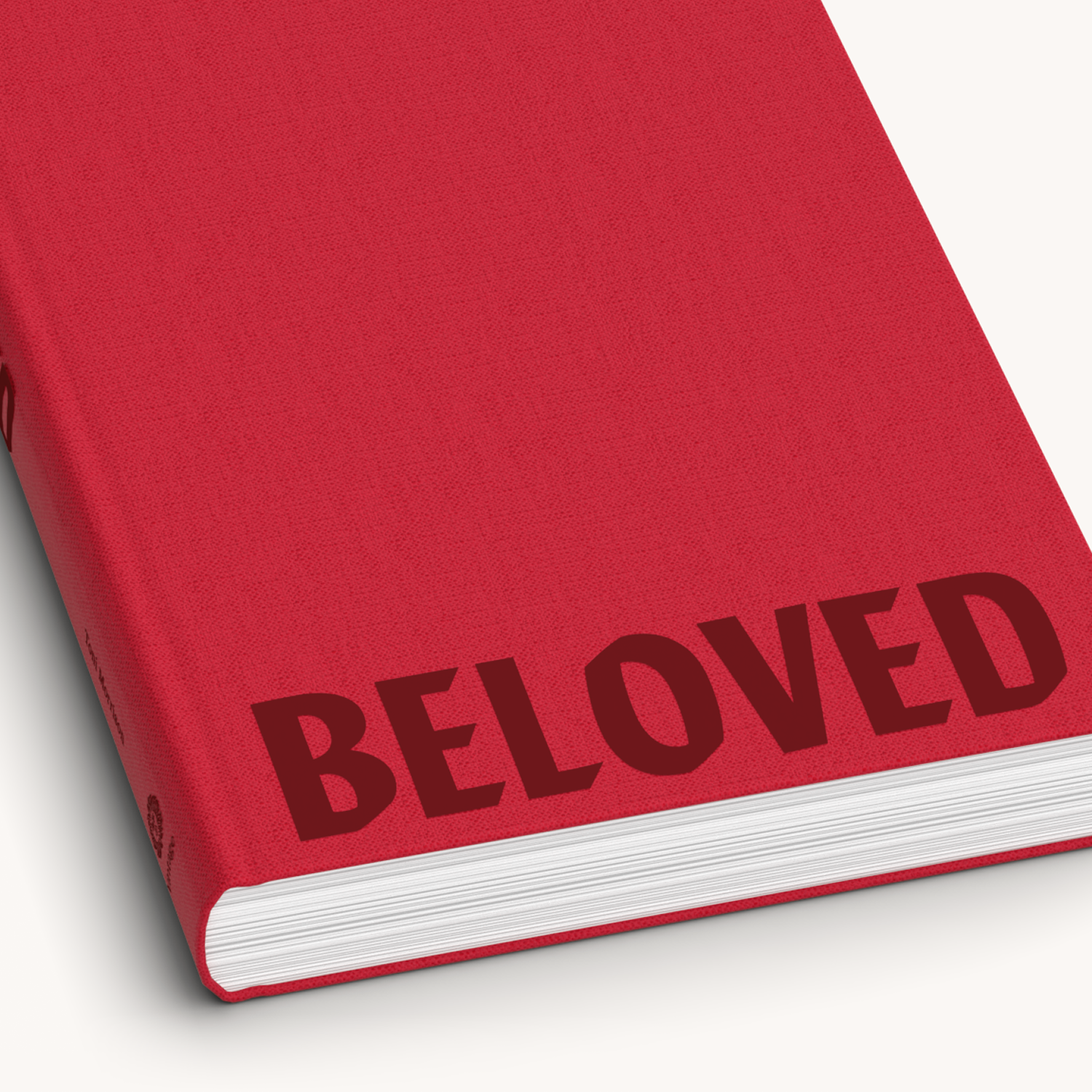
Beloved
by Toni Morrison
Save $ with BOTM.

About the author
Toni Morrison was born in Lorain, Ohio, in 1931. She began her career as an editor at Random House, where she became the first Black female editor for fiction and worked with writers such as Lucille Clifton and Leon Forrest. In 1970, at age 39, she published her debut, The Bluest Eye. She is the author of eleven novels, including Beloved, Song of Solomon, and Sula. Regarded as one of the greatest writers in American literature, she received numerous honors, including the National Book Critics Circle Award, the Pulitzer Prize, the Nobel Prize in Literature, and the Presidential Medal of Freedom. She died in New York City in 2019.
Cultural history: 1987 to now
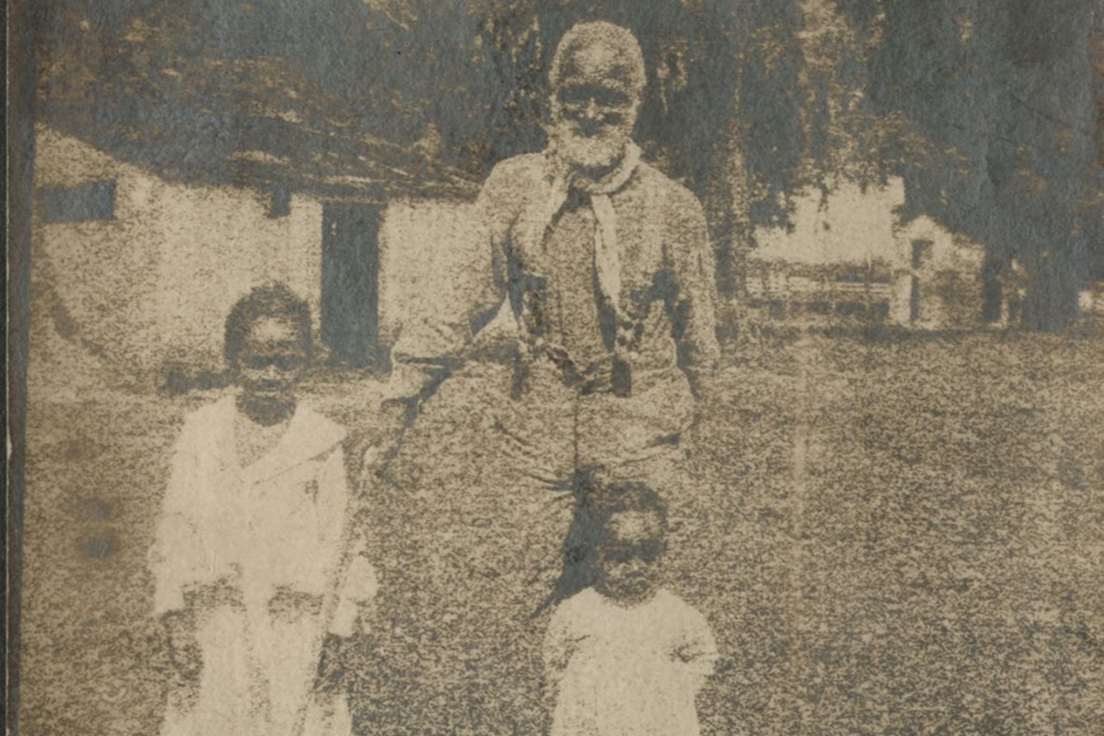
From 1619 until the ratification of the 13th Amendment in 1865, slavery was legal in the United States. Prior to writing Beloved, Toni Morrison grappled with whether it was possible to comprehensively depict the horrors of slavery on the page. Ultimately, she determined that fiction is a crucial tool in illuminating the experiences of enslaved people in America.
Beloved is dedicated to “Sixty Million and More,” referencing the estimated sixty million people who died over the two and a half centuries that slavery was legal in the United States. “I asked some scholars to estimate for me the number of Black people who died in 200 years of slavery,” Morrison said. “Those 60 million are people who didn’t make it from there to here and through. Some people told me 40 million, but I also heard 60 million, and I didn’t want to leave anybody out.”
Beloved was inspired by the life of Margaret Garner, an enslaved woman who escaped a Kentucky plantation with her four children in 1856. Garner and her family found shelter with a family friend in Ohio but were pursued by slave catchers days after their arrival. On the brink of recapture, Garner killed her infant daughter—and attempted to kill her other children—in an effort to spare them from lives of bondage.
The case became the subject of immense public scrutiny and was raised by abolitionists as evidence of the abject misery experienced by the Black community under slavery. Garner hoped to be tried as a free person in Ohio, despite risking the death penalty, but was ultimately convicted as “property” in Kentucky and forced back into a life of slavery. Morrison was deeply affected by Garner’s story, and what it brought to light about the experience of motherhood under enslavement. Morrison said, “Margaret Garner had a very fierce and insistent love for her children when they were the best part of her, when they were the real part of her. She was not permitted to be a mother, and that is such an elemental desire….She was saying, ‘I claim my children’s lives and I will decide for them whether they live or die.’”
Oprah Winfrey read Beloved upon its publication in 1987 and immediately identified it as an important story that should be adapted for the screen. She had completed her first full year of The Oprah Winfrey Show, but despite her newfound celebrity status, was unable to obtain Toni Morrison’s contact details. In a last-ditch effort, she phoned the fire department in the small New Jersey town where Morrison lived and asked them to “call Toni and tell her Oprah called.” Morrison got in touch with her that same evening to negotiate the film deal.
The film, produced by and starring Oprah herself, was released in 1998. It performed disappointingly at the box office, with critics deeming it overly lengthy and disliking the ambiguous ending. Oprah has since argued that the film was ahead of its time. To date, it remains the only film adaptation of Morrison’s work.
Synopsis
Sethe was born a slave and escaped to Ohio, but eighteen years later she is still not free. Sethe has too many memories of Sweet Home, the beautiful farm where so many hideous things happened. And Sethe’s new home is haunted by the ghost of her baby, who died nameless and whose tombstone is engraved with a single word: Beloved.
Content warning
Read a sample
Author photo by Timothy Greenfield-Sanders.
October Collections