


Gothic fiction
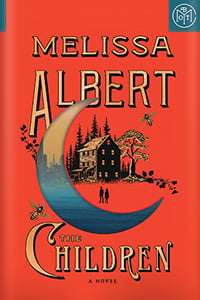
The Children
by Melissa Albert
View audiobook
Quick take
In this atmospheric horror, reality is warped and memory can’t be trusted. It’s a whole new haunted house story.
Good to know

Family drama

Nonlinear timeline

Creepy

Magical
Synopsis
Guinevere Sharpe has two childhoods.
In one, she lives in the wooded shadow of her family’s isolated Vermont farmhouse; in the other, the pages of her mother’s world-famous Ninth City books, where her magical adventures have made her a household name. In reality, Guinevere’s childhood isn’t the enchanted idyll her mother’s readers imagine: she and her older brother are growing up near-feral, unwashed and underfed, escaping each day to the lichen-clotted woods they’ve made their playland. As Edith Sharpe’s books explode into epic popularity, the threats of a rural childhood give way to the escalating perils of fame—until the night it all goes up in flames, leaving Edith’s series unfinished and her children the sole survivors.
Now an adult coasting on her mother’s name, Guinevere is mid-promotion for a ghostwritten memoir when her estranged brother, an artist who has until now spurned his family’s legacy, announces an upcoming installation titled Mother. As rumors swirl around a death connected to his last show, unsettling recollections from Guinevere’s childhood begin to surface. Her public facade starts to crack, forcing her to confront the questions she’s spent the last twenty years running from: What really happened the night of the fire? And what dark history lies behind their mother’s creative genius?
Read a sample
Get an early look from the first pages of The Children.
Why we chose it...
From tangled forests to missing fingers to mysterious keys, the vibes of this gothic fairy tale are enjoyably haunting from start to finish.
The troubled sibling relationship at the heart of this novel offers a nuanced exploration of how children can grow up next to each other but have vastly different childhood experiences.
This novel explores the stories we tell about ourselves and our families and made us think about the ways that fiction sometimes reveals deeper truths than nonfiction.
June 2026
June 2026