
Brideshead Revisited by Evelyn Waugh
undefined

Get your first book for just $9.99.

Join today.

We’ll make this quick.

First, enter your email. Then choose your move.

By pressing "Pick a book now" or "Pick a book later", you agree to Book of the Month’s Terms of use and Privacy policy.

Get your first book for just $9.99.

Join today.

You did it!

Your account is now up to date.

get the app

Our app is where it’s at.

Unlock our Reading Challenge, earn prizes, and get notified of new books on our app.

Our app is where it’s at.

Unlock our Reading Challenge, earn prizes, and get notified of new books on our app.

Download on the App Store
Get it on Google Play

Already have the app? Explore here.

birthday coupon modal image

A birthday treat.

Celebrate your birthday with a free add-on in your June box. It's our way of saying happy birthday, BFF.

Please confirm your age.

Are you 0 years old?

Centennial Editions backgroundCentennial Editions background
Collection icon

Centennial Editions

Centennial Editions celebrate our legacy: books we discovered early, believed in deeply, and still stand by. Read them, re-read them, collect them.

A 1946 Selection.
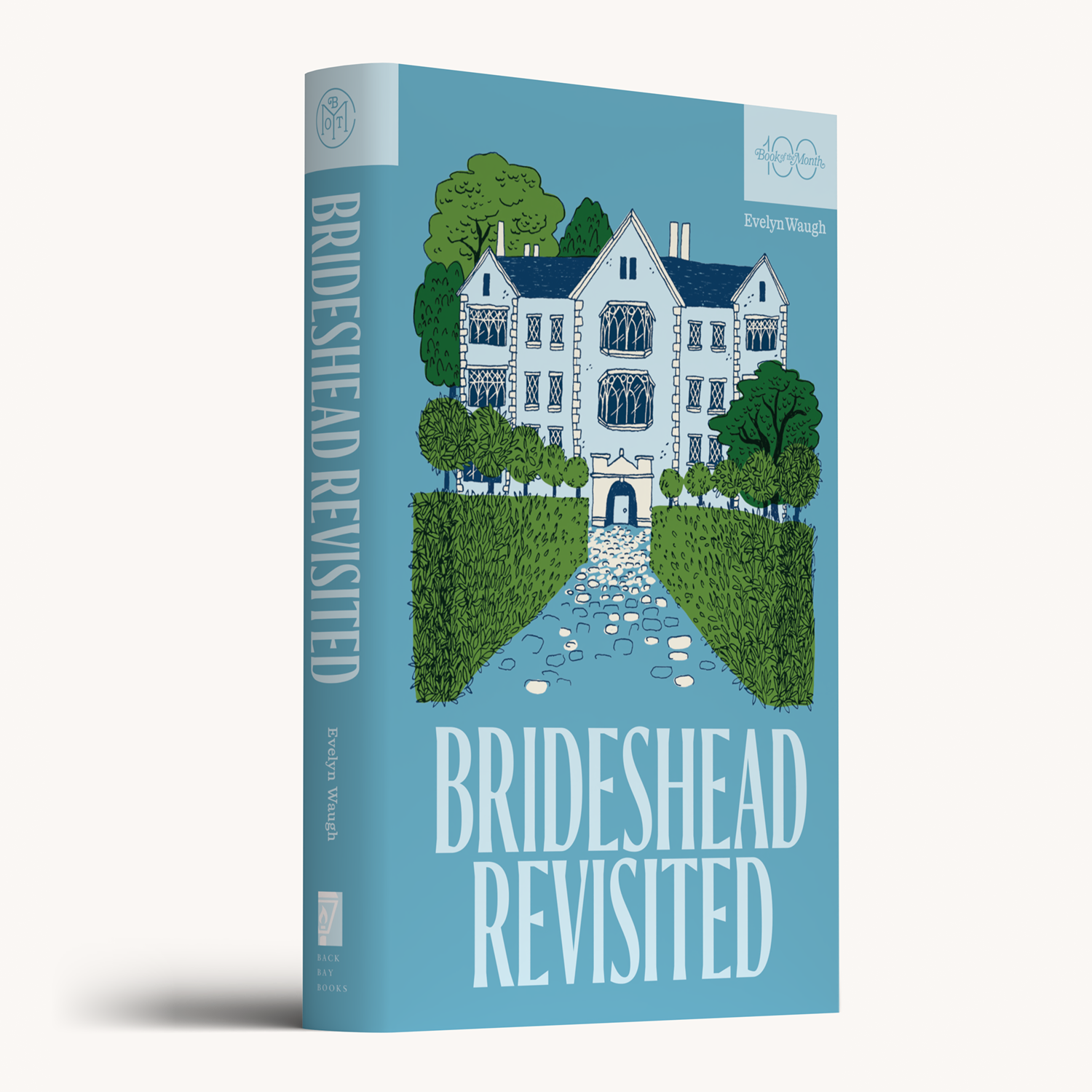
Centennial Editions

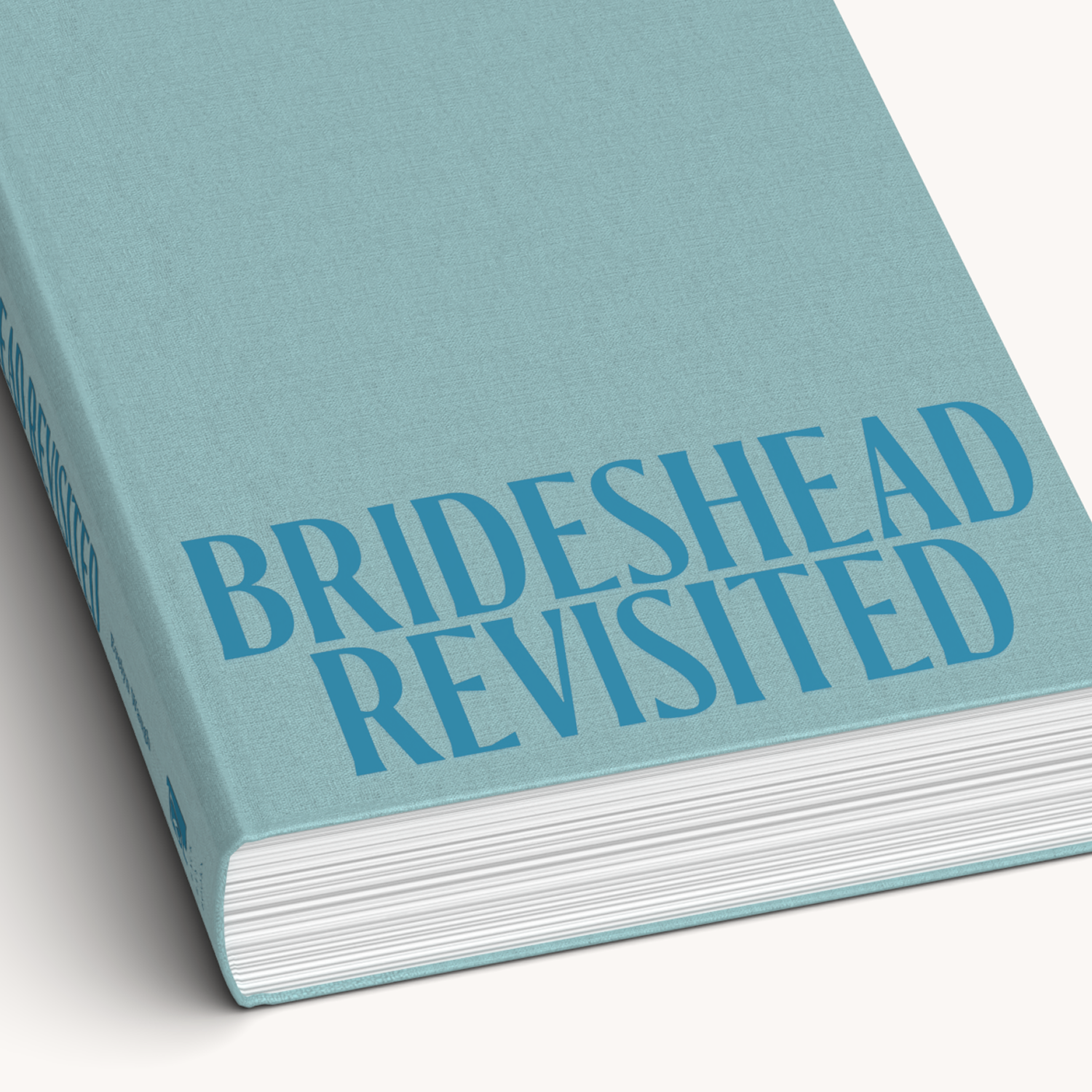
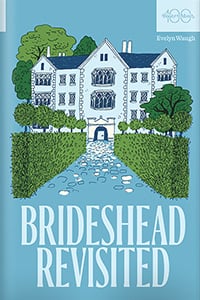
Brideshead Revisited

by Evelyn Waugh

Excellent choice

Just enter your email to add this book to your box.

By pressing "Add to box", you agree to Book of the Month’s Terms of use and Privacy policy.

The gates are closed.

You’re on the waitlist. We’ll email you once you can enroll.

Save $ with BOTM.

Centennial Edition icon

About the author

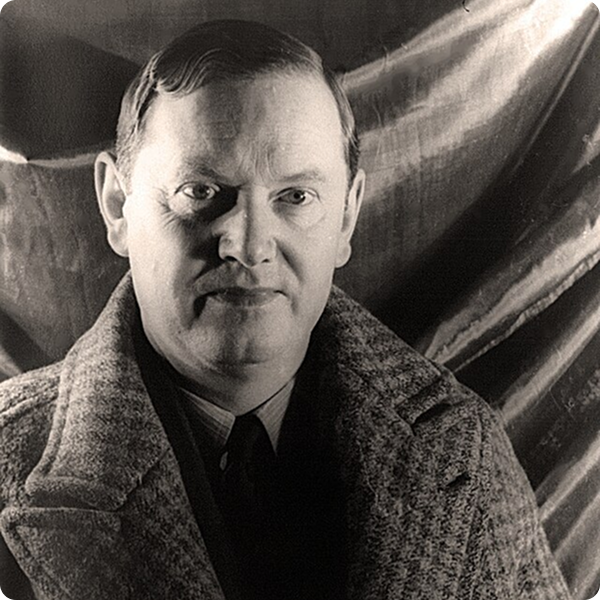
Evelyn Waugh was born in Hampstead, England, in 1903, into a family of publishers and writers. He was educated at Lancing and Hertford College, Oxford, where he majored in journalism and modern history. Waugh’s first book, Rossetti: His Life and Works, was published in 1928. Soon afterward his first novel, Decline and Fall, appeared and his career was sensationally launched. Apart from his novels, Waugh also wrote several acclaimed travel books, two additional biographies, and an autobiography, A Little Learning. He died in 1966 in Combe Florey, United Kingdom.

Cultural history: 1946 to now
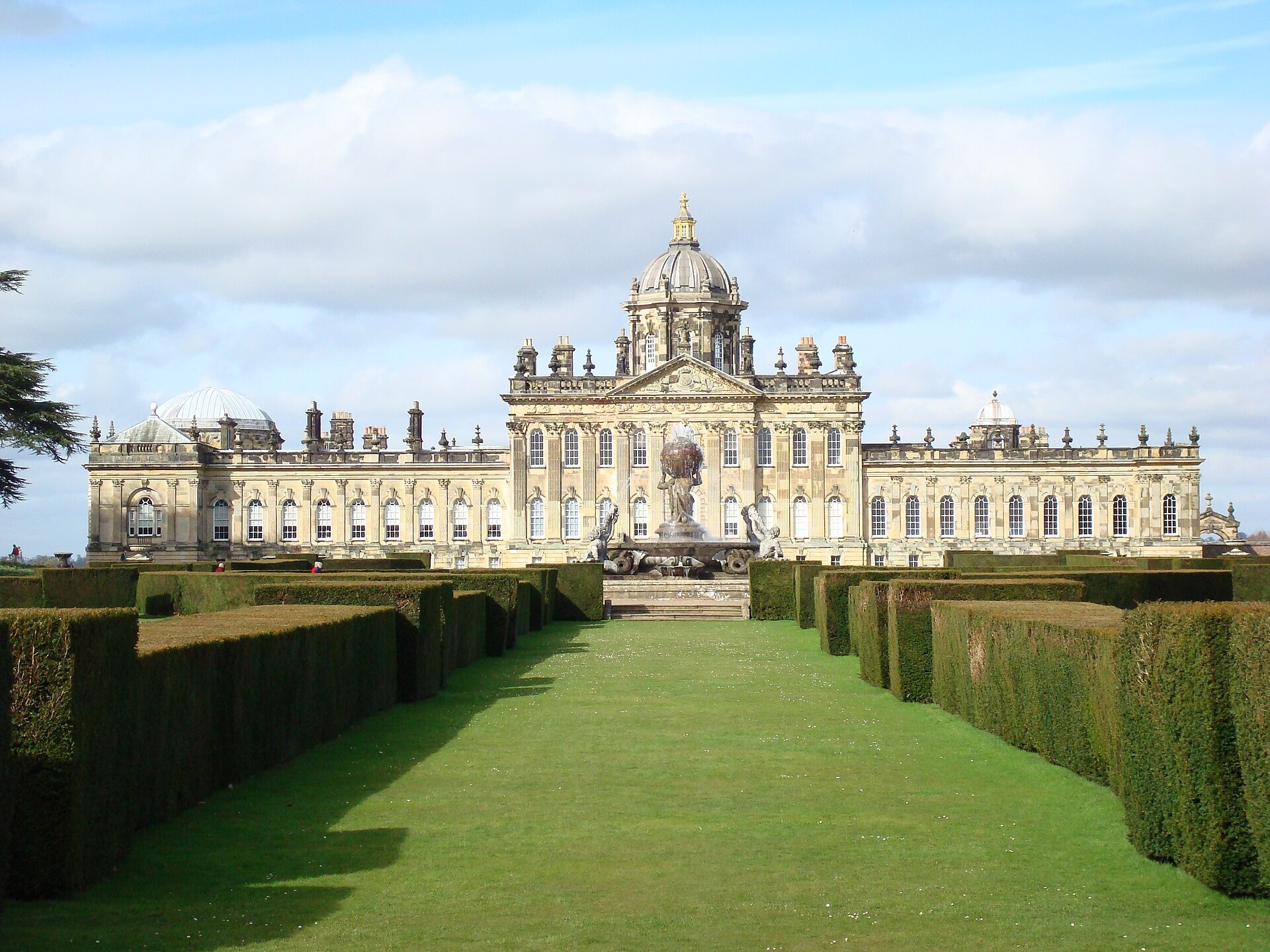
  • Television
  • Religion

  • History

Brideshead Revisited was adapted into a hit television series in 1981. Famously provocative in its portrayal of homoerotic dynamics, the show was nevertheless a hit with US audiences and received widespread critical acclaim from major US publications. The Washington Post deemed it “the best series ever seen on American television,” and according to The New York Times, it “constituted the biggest British invasion since the Beatles.” The series laid the groundwork for future prestigious period dramas such as Downton Abbey.

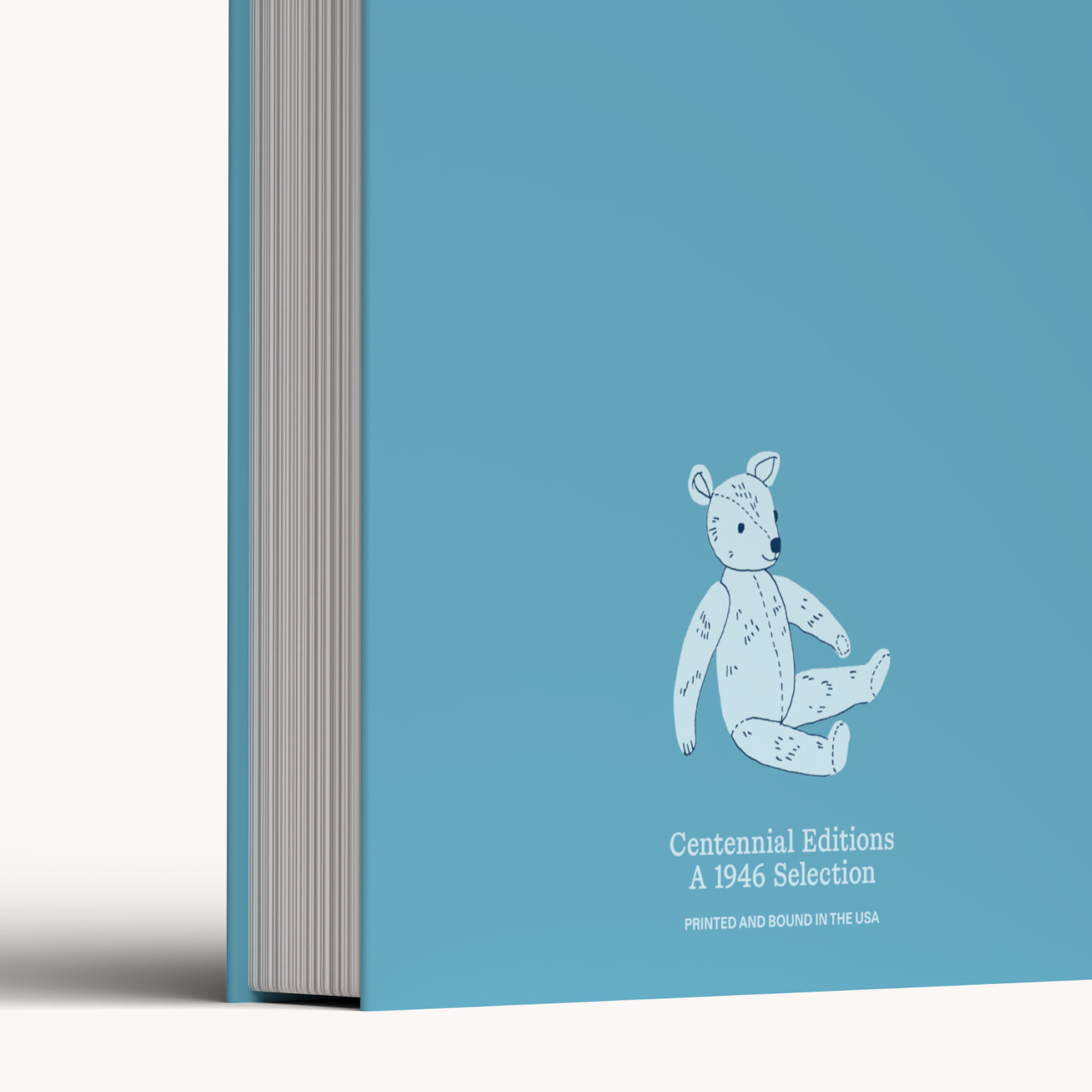
The Anglophilia did not stop there: in New York City, Bloomingdale’s dedicated window displays to Brideshead Revisited-inspired fashion, and years later, the original teddy bear featured in the series sold at auction for £26,000.

Brideshead Revisited centers on the wealthy, enigmatic Flyte family as they reckon with their Catholic faith and come to terms with the declining relevance of the English aristocracy. Waugh uses the workings of divine grace in each of their lives to illuminate the redemptive power of faith and dismiss the hedonistic allure of 20th-century modernism.

Brideshead Revisited was informed by a broader cultural movement in which many British intellectuals, including Evelyn Waugh, converted to and wrote about Catholicism. Much of this shift resulted from an increased need to seek meaning and self-understanding after the despondency of the Second World War. Waugh famously wrote to a friend: “I always think to myself, ‘I know I am awful. But how much more awful I should be without the Faith.’”

Brideshead Revisited depicts a homoerotic bond between two main characters in the book, likely inspired by Evelyn Waugh’s sexual relationships with men throughout his university years at Oxford.

The novel is especially visionary when considered within the context of the punitive climate surrounding homosexuality in the mid-20th century. Sexual activity between men was not decriminalized in the United Kingdom until 1967, one year after Evelyn Waugh’s death; same-sex marriage would not be legalized in the UK for another forty-seven years.

Synopsis

The wellsprings of desire and the impediments to love come brilliantly into focus in Evelyn Waugh’s masterpiece—a novel that immerses us in the glittering and seductive world of English aristocracy in the waning days of the empire.

Through the story of Charles Ryder’s entanglement with the Flytes, a great Catholic family, Evelyn Waugh charts the passing of the privileged world he knew in his own y...

Read a sample

Get an early look from the first pages of Brideshead Revisited.

Brideshead Revisited

Prologue

Brideshead Revisited

When I reached “C” Company lines, which were at the top of the hill, I paused and looked back at the camp, just coming into full view below me through the gray mist of early morning. We were leaving that day. When we marched in, three months before, the place was under snow; now the first leaves of spring were unfolding. I had reflected then that, whatever scenes of desolation lay ahead of us, I never feared one more brutal than this, and I reflected now that it had no single happy memory for me.

Here love had died between me and the Army.

Here the tram lines ended, so that men returning fuddled from Glasgow could doze in their seats until roused by their journey’s end. There was some way to go from the tram-stop to the camp gates; quarter of a mile in which they could button their blouses and straighten their caps before passing the guard-room, quarter of a mile in which concrete gave place to grass at the road’s edge. This was the extreme limit of the city. Here the close, homogeneous territory of housing estates and cinemas ended and the hinterland began.

The camp stood where, until quite lately, had been pasture and plowland; the farmhouse still stood in a fold of the hill and had served us for battalion offices; ivy still supported part of what had once been the walls of a fruit garden; half an acre of mutilated old trees behind the wash-houses survived of an orchard. The place had been marked for destruction before the army came to it. Had there been another year of peace, there would have been no farmhouse, no wall, no apple trees. Already half a mile of concrete road lay between bare clay banks, and on either side a checker of open ditches showed where the municipal contractors had designed a system of drainage. Another year of peace would have made the place part of the neighboring suburb. Now the huts where we had wintered waited their turn for destruction.

Create a free account!

Sign up to see book details, our quick takes, and more.

By pressing "Sign up", you agree to Book of the Month’s Terms of use and Privacy policy.

Centennial Editions
The Catcher in the Rye
Brideshead Revisited
Native Son
All Quiet on the Western Front