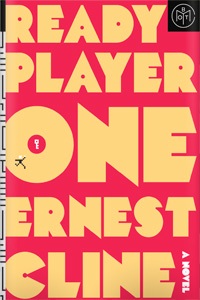
Everyone my age remembers where they were and what they were doing when they first heard about the contest. I was sitting in my hideout watching cartoons when the news bulletin broke in on my video feed, announcing that James Halliday had died during the night.
I’d heard of Halliday, of course. Everyone had. He was the videogame designer responsible for creating the OASIS, a massively multiplayer online game that had gradually evolved into the globally networked virtual reality most of humanity now used on a daily basis. The unprecedented success of the OASIS had made Halliday one of the wealthiest people in the world.
At first, I couldn’t understand why the media was making such a big deal of the billionaire’s death. After all, the people of Planet Earth had other concerns. The ongoing energy crisis. Catastrophic climate change. Widespread famine, poverty, and disease. Half a dozen wars. You know: “dogs and cats living together . . . mass hysteria!” Normally, the newsfeeds didn’t interrupt everyone’s interactive sitcoms and soap operas unless something really major had happened. Like the outbreak of some new killer virus, or another major city vanishing in a mushroom cloud. Big stuff like that. As famous as he was, Halliday’s death should have warranted only a brief segment on the evening news, so the unwashed masses could shake their heads in envy when the newscasters announced the obscenely large amount of money that would be doled out to the rich man’s heirs.
But that was the rub. James Halliday had no heirs.
He had died a sixty-seven-year-old bachelor, with no living relatives and, by most accounts, without a single friend. He’d spent the last fifteen years of his life in self-imposed isolation, during which time—if the rumors were to be believed—he’d gone completely insane.
So the real jaw-dropping news that January morning, the news that had everyone from Toronto to Tokyo crapping in their cornflakes, concerned the contents of Halliday’s last will and testament, and the fate of his vast fortune.