
Centennial Editions
Centennial Editions celebrate our legacy: books we discovered early, believed in deeply, and still stand by. Read them, re-read them, collect them.
A 1985 Selection.
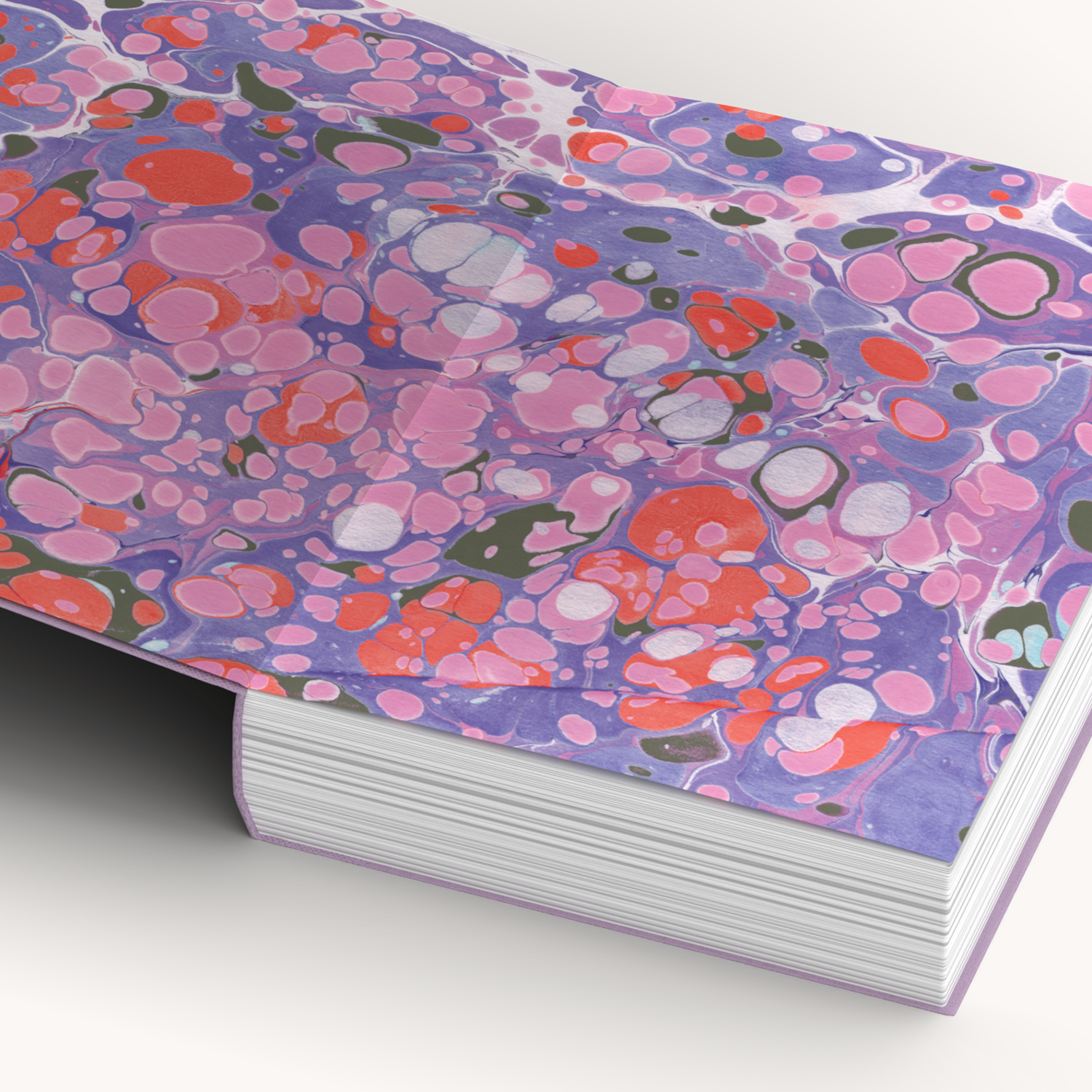
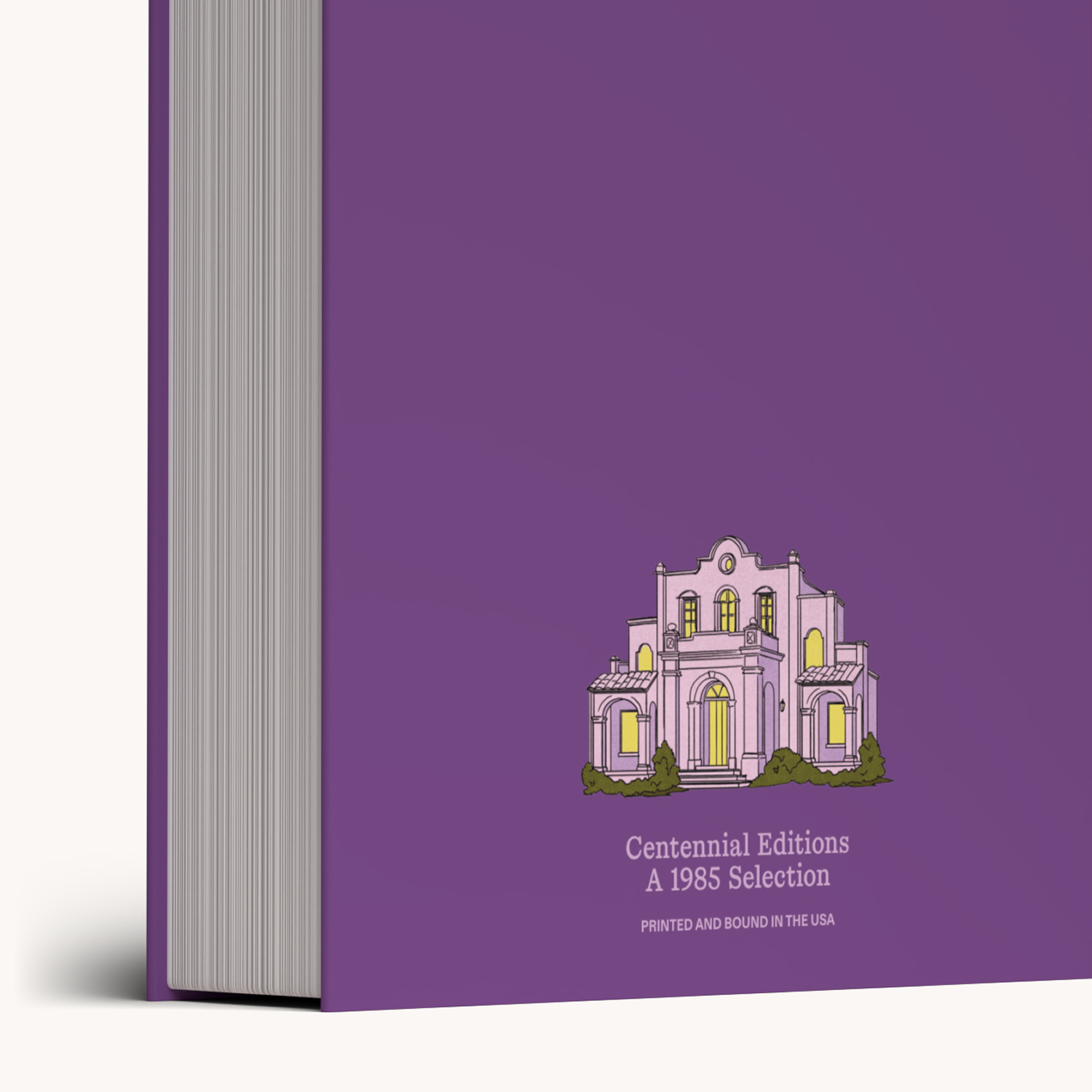
Centennial Editions
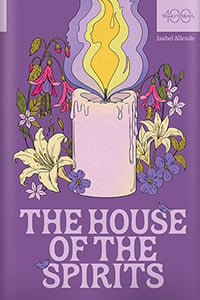
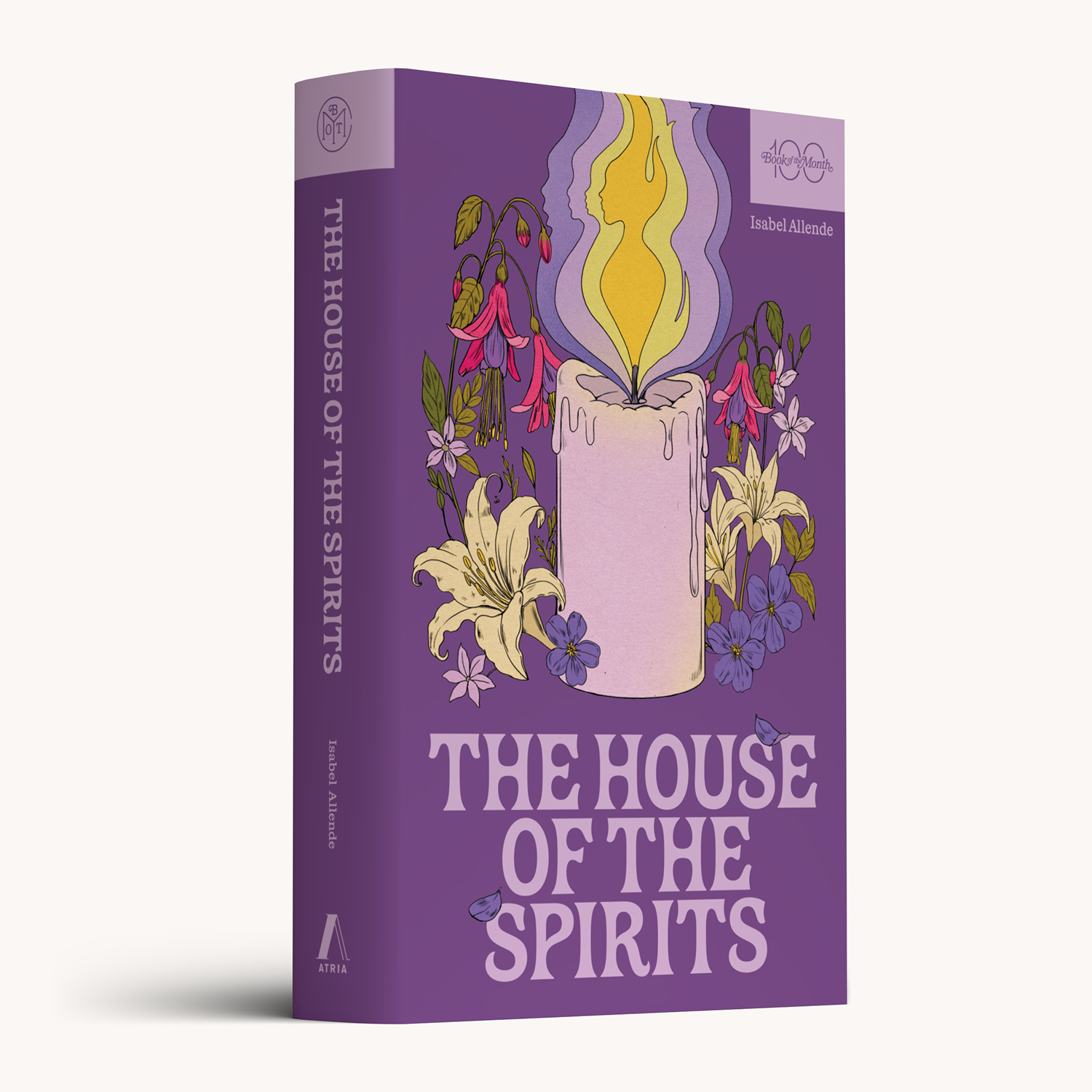
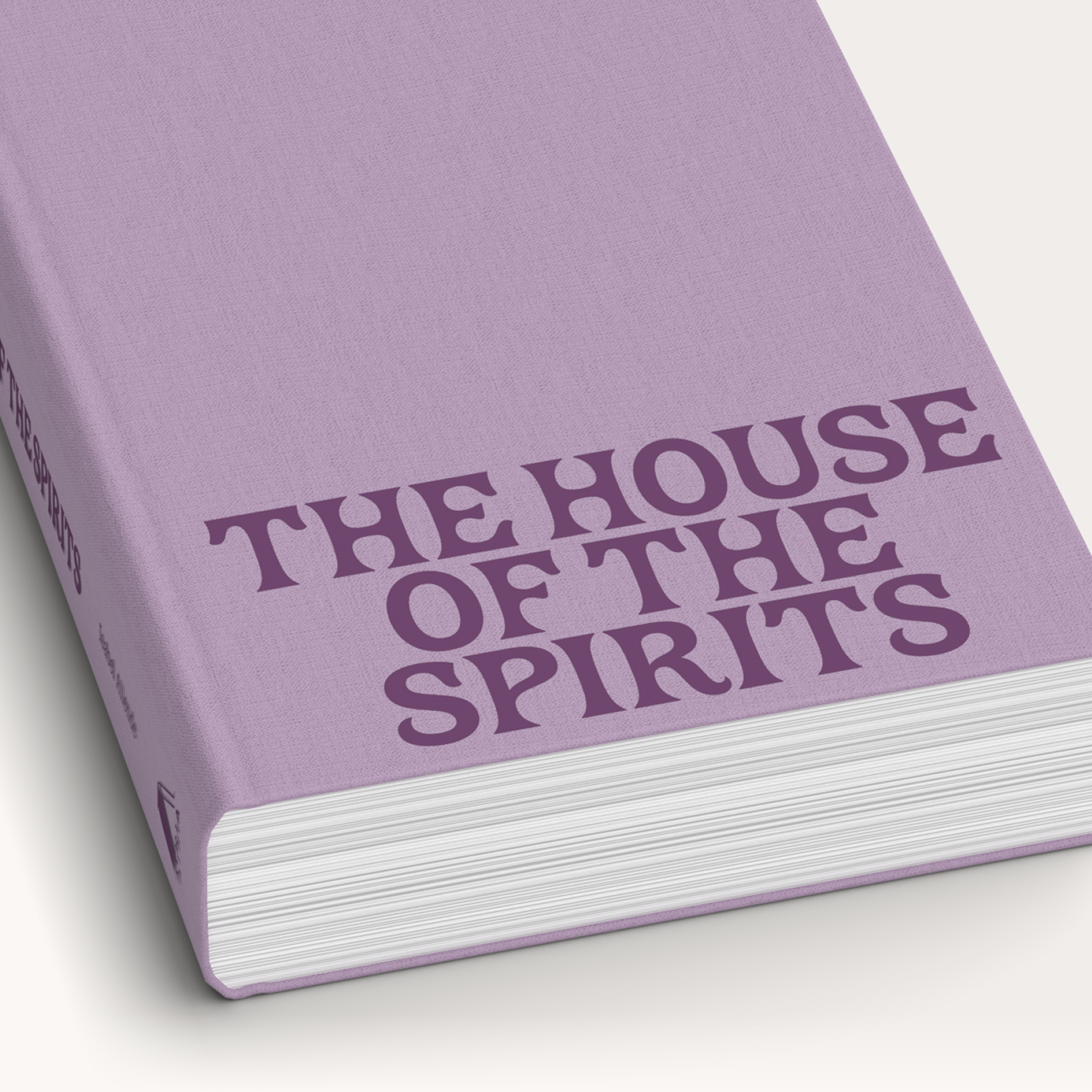
The House of the Spirits
by Isabel Allende
About the author
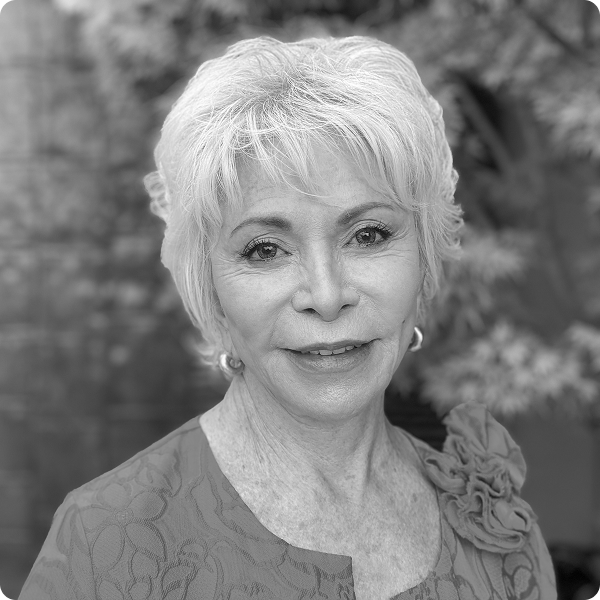
Isabel Allende was born in Lima, Peru, in 1942, and spent the majority of her youth in Chile. She is the author of several bestselling and critically acclaimed books, including The Wind Knows My Name, Violeta, A Long Petal of the Sea, The House of the Spirits, Of Love and Shadows, Eva Luna, and Paula. In 2014, President Barack Obama awarded her the Presidential Medal of Freedom, the nation’s highest civilian honor, and in 2018, she received the Medal for Distinguished Contribution to American Letters from the National Book Foundation. She lives in California with her husband and dogs.
Cultural history: 1985 to now
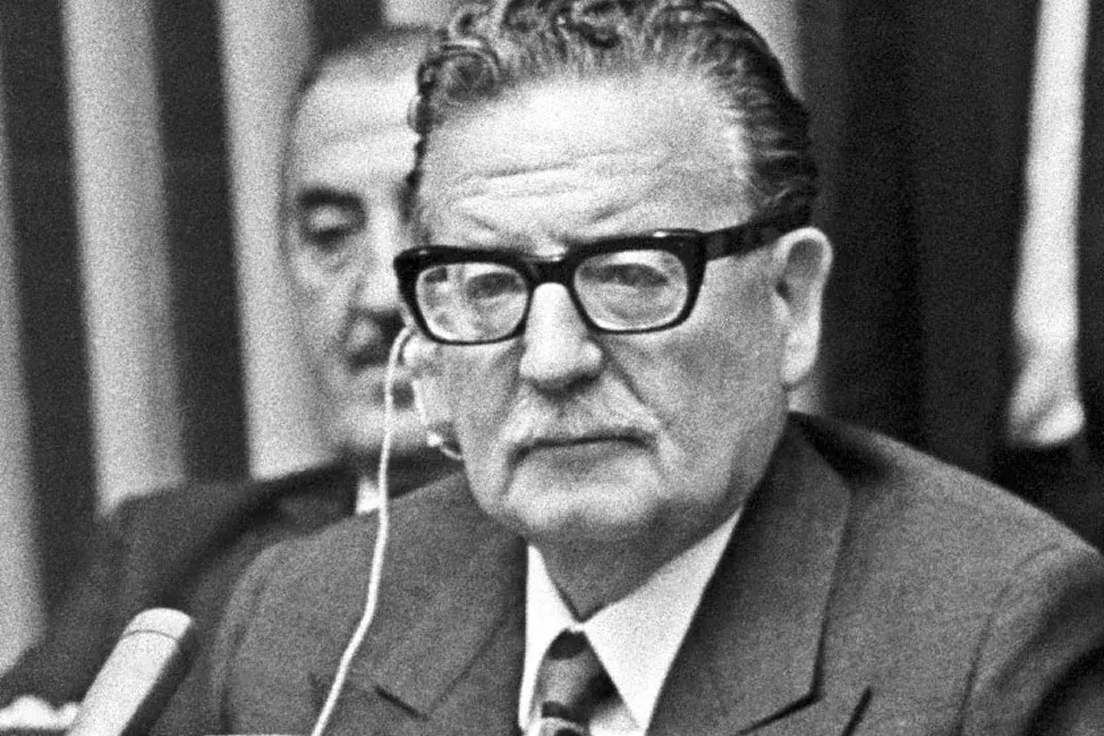
Library of the National Congress of Chile, via Wikimedia Commons
Isabel Allende began writing The House of the Spirits eight years after her uncle, former Chilean president Salvador Allende Gossens, was overthrown in a violent military coup. The uprising resulted in Allende Gossens’s forced suicide and ushered in the oppressive dictatorship of Augusto Pinochet. Allende recalled watching La Moneda Palace, the presidential home in Santiago, go up in flames during the military attack: “Can you imagine? It would be like having the American military bombing the White House—something impossible to imagine.” After the coup, Allende fled the country as a political refugee and wrote The House of the Spirits in exile in Caracas, Venezuela.
In 1993, The House of the Spirits was adapted into a feature film shot in Portugal and starring Meryl Streep, Glenn Close, and Winona Ryder. Critics were quick to register the film’s lack of Latin American actors, but Allende defended the film’s casting, arguing that the story reflected unifying life experiences that defied specific demographics. In an interview with the Los Angeles Times, she said, “I try to write universal stories. The way we are and the way we live and the great passions and dramas and tragedies are always the same.” Nevertheless, Allende’s defense of the film could not prevent a tepid box office performance and mediocre reception.
In the 1960s and 70s, a new wave of Latin American authors emerged, bringing Latin American literature to a global audience. Dubbed the “Latin American Boom” and led by Gabriel García Márquez, Mario Vargas Llosa, and Julio Cortázar, the movement was notable for its political writing and use of magical realism. Isabel Allende was heavily influenced by the movement, particularly Gabriel García Márquez’s seminal book One Hundred Years of Solitude.
Book of the Month judge David Willis McCullough noted that prior to the publication of The House of the Spirits, many American readers had a “great fear” of Latin American fiction as they were less familiar with magical realism and the dense, evocative writing style quintessential to prominent Latin American texts. “I think it was an important breakthrough when we chose The House of the Spirits,” he said, noting that it was a story “you have no trouble getting caught up in.”
Synopsis
The House of the Spirits, which introduced Isabel Allende as one of the world’s most gifted storytellers, brings to life the triumphs and tragedies of three generations of the Trueba family. The patriarch Esteban is a volatile, proud man whose voracious pursuit of political power is tempered only by his love for his delicate wife Clara, a woman with a mystical connection to the spirit world. When ...
Content warning
Read a sample
Images on this page are provided by: Library of the National Congress of Chile, via Wikimedia Commons. Kent Wang, via Wikimedia Commons. Author photo by Lori Barra.
Centennial Editions