Browse by
Genres
Popular right now
Top Bookmoji


A manifesto
The message is everywhere: Reading is dying. The book, that tactile relic of our pre-screen existence, is drifting toward irrelevance. The “post-literate” age is dawning.
You’ve heard it at dinner parties and on podcasts. You’ve seen it in breathless headlines and plaintive think pieces. You’ve watched researchers publish increasingly alarming studies, as educators spiral into despair.
Attention spans are collapsing and reading scores are plunging to new depths. Even some high school English teachers are throwing up their hands in surrender, assigning excerpts to a generation unaccustomed to the delights and demands of tackling a novel cover to cover. Literary fiction had a long and glorious run, the thinking goes, but it’s time to accept the inevitable.
We
disagree.
Fiction’s feverish funeral procession is not new (see our timeline of reading’s exaggerated demise). These predictions were wrong then, and they’re wrong now.
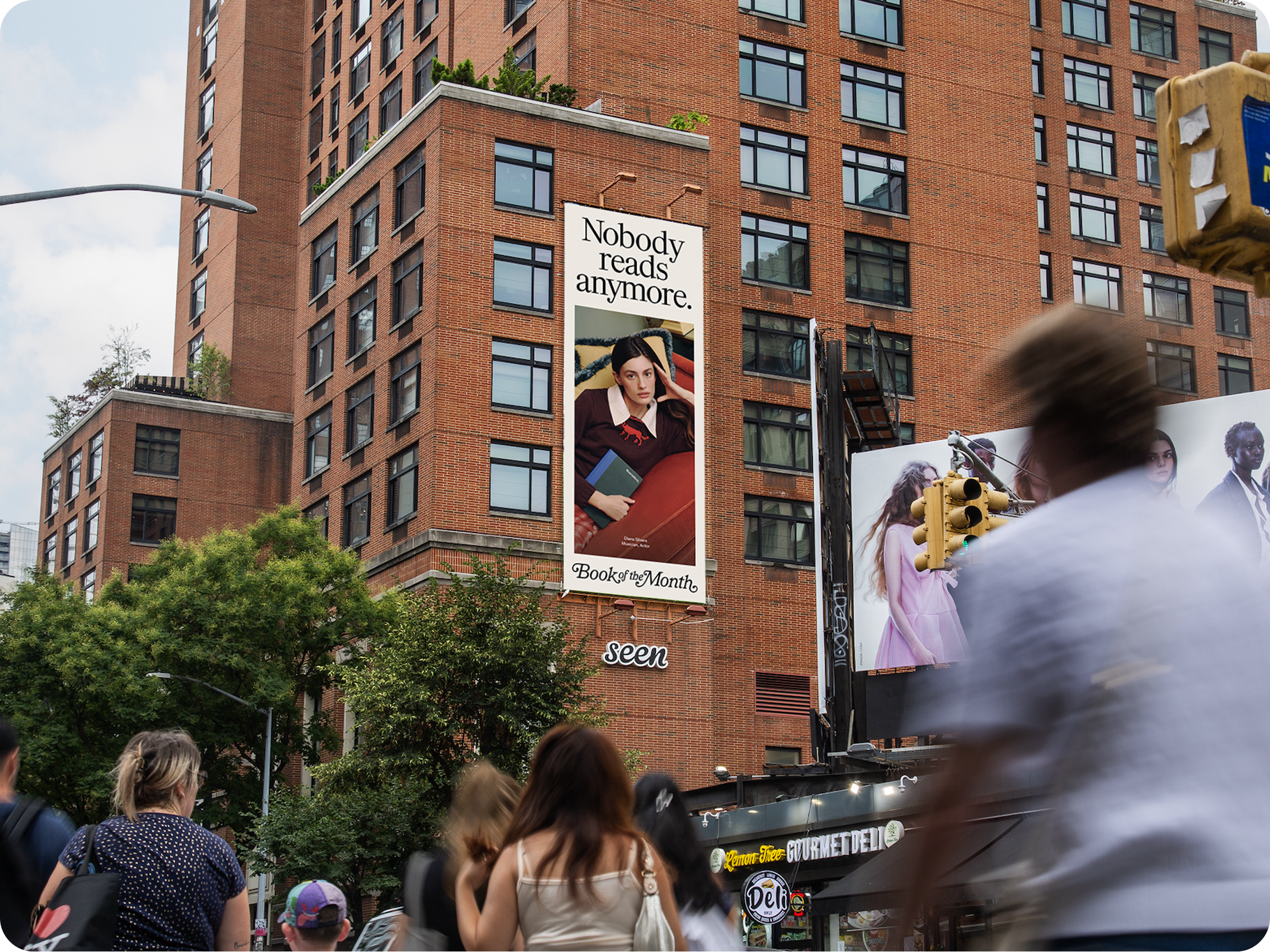
Americans are buying more fiction than at any point in history.
Readers across the country bought more than 762 million print books in 2025, according to Circana BookScan. That includes 184 million books in the adult fiction category alone—66 million above the 2019 count. And while recent headlines lamented that 40% of Americans read zero books in 2025, the inverse is also correct: The majority of Americans, 60%, did read at least one book. And nearly one in five (19%) read 10 books or more.
Brick-and-mortar bookstores are officially back.
A decade ago, bookstores seemed destined for the fate of video rental shops and pay phones. Turns out, independent bookstores are making a “shocking, triumphant comeback.” According to Fast Company, over the last five years the number of independent bookstores in the U.S. has grown 70%. Across the country, 422 new bookstores opened in 2025 alone.
Book influencers have become powerful voices on social media, and they’re everywhere.
BookTokers, BookTubers, and Bookstagrammers are evangelizing books across every platform. Posts with the hashtag #BookTok have accumulated more than 370 billion views, with influencers parsing plotlines and resurfacing overlooked gems. Celebrity book clubs have become a full-fledged cultural phenomenon. What do Dua Lipa, Emma Roberts, and Reese Witherspoon have in common? They all missed the memo that nobody reads anymore. Even fashion houses are riding the trend, with models clutching literary works as they walk the runway and pose for editorial shoots.
All that content we’re streaming on our screens? It’s coming from books.
Your latest streaming obsession? Chances are it’s based on a book. Dozens of BOTM selections have been adapted for screen in recent years, including People We Meet On Vacation, Daisy Jones & The Six, A Gentleman in Moscow and now Margo’s Got Money Troubles. Many more are in production, including The Ministry of Time, Tell Me Lies, The Seven Husbands of Evelyn Hugo, and our very own Lolly Award winner The God of the Woods. Filmed entertainment is increasingly downstream of successful books, which are discovered and loved by readers first.
A brief timeline of fiction’s
exaggerated demise.
A brief timeline of fiction’s exaggerated demise.
For more than 100 years, leading thinkers have been predicting the “end of reading” based on whatever the prevailing technology happens to be at the time. From Jules Verne to Steve Jobs, it has been doom and gloom all the way. Here are just a few examples we’ve noticed.
Newspapers
1902
“I do not think there will be any novels or romances… in fifty or a hundred years from now. They will be supplanted altogether by the daily newspaper.”
Jules Verne
as quoted in the Daily Mail
Newspapers
1902
“I do not think there will be any novels or romances… in fifty or a hundred years from now. They will be supplanted altogether by the daily newspaper.”
Jules Verne
as quoted in the Daily Mail
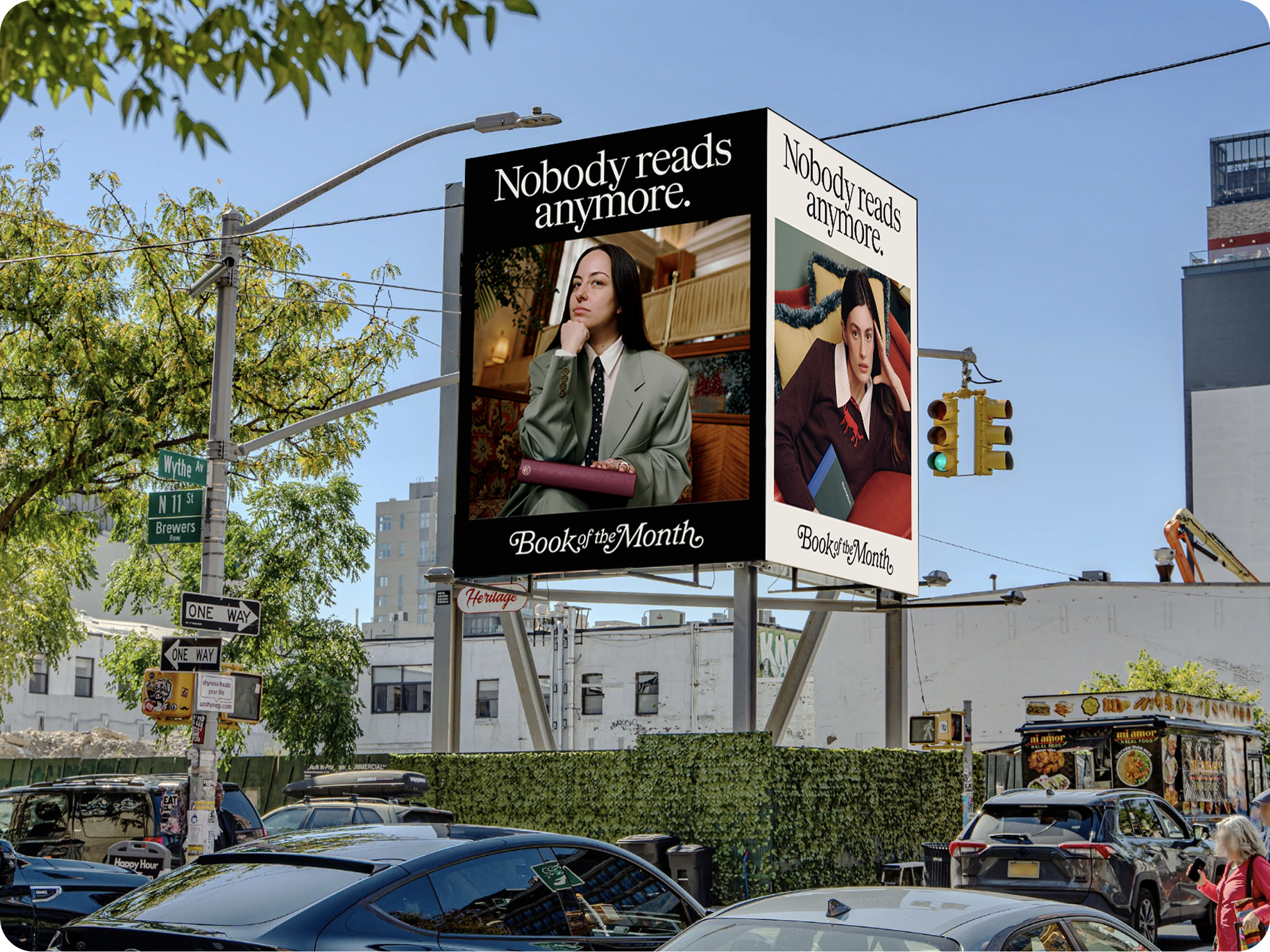
Our view: Gen Z will read more—not less—than previous generations
Gen Zers are actively changing their relationship with screens.
They don’t need researchers to tell them how constant doomscrolling impacts their health, wellbeing, and clarity of thought. They’re disproportionately intentional about unplugging and more likely than members of any other generation to own a dumb phone. Some are celebrating the low-tech lifestyle by socializing under the banner of high school and college Luddite Clubs (30+ chapters and counting, when we last checked).
The hunger for analog is real.
Gen Z is leading an in-real-life revolution that would have seemed unthinkable even recently. They’re amassing vinyl records, driving up sales by an average of 18% a year over the past five years. They’re fueling the revival of board games, knitting, and needlepoint. They prefer in-person shopping (one study found that eight in 10 Gen Zers choose to shop for vinyl records in brick-and-mortar stores, in a case of analog on overdrive).
Our education system needs to support this trend, not undermine it.
At a moment when reading is embedded in online (and therefore youth) culture, reports suggest that some educators are actually pulling back. They’re lowering standards for reading in school, scaling back substantive discussion of literature, and assigning fewer full books. We believe this is a disservice to Gen Z. Teaching literature—reading full books, engaging with them, discussing them seriously—is vital for a generation navigating our environment of relentless digital distraction.
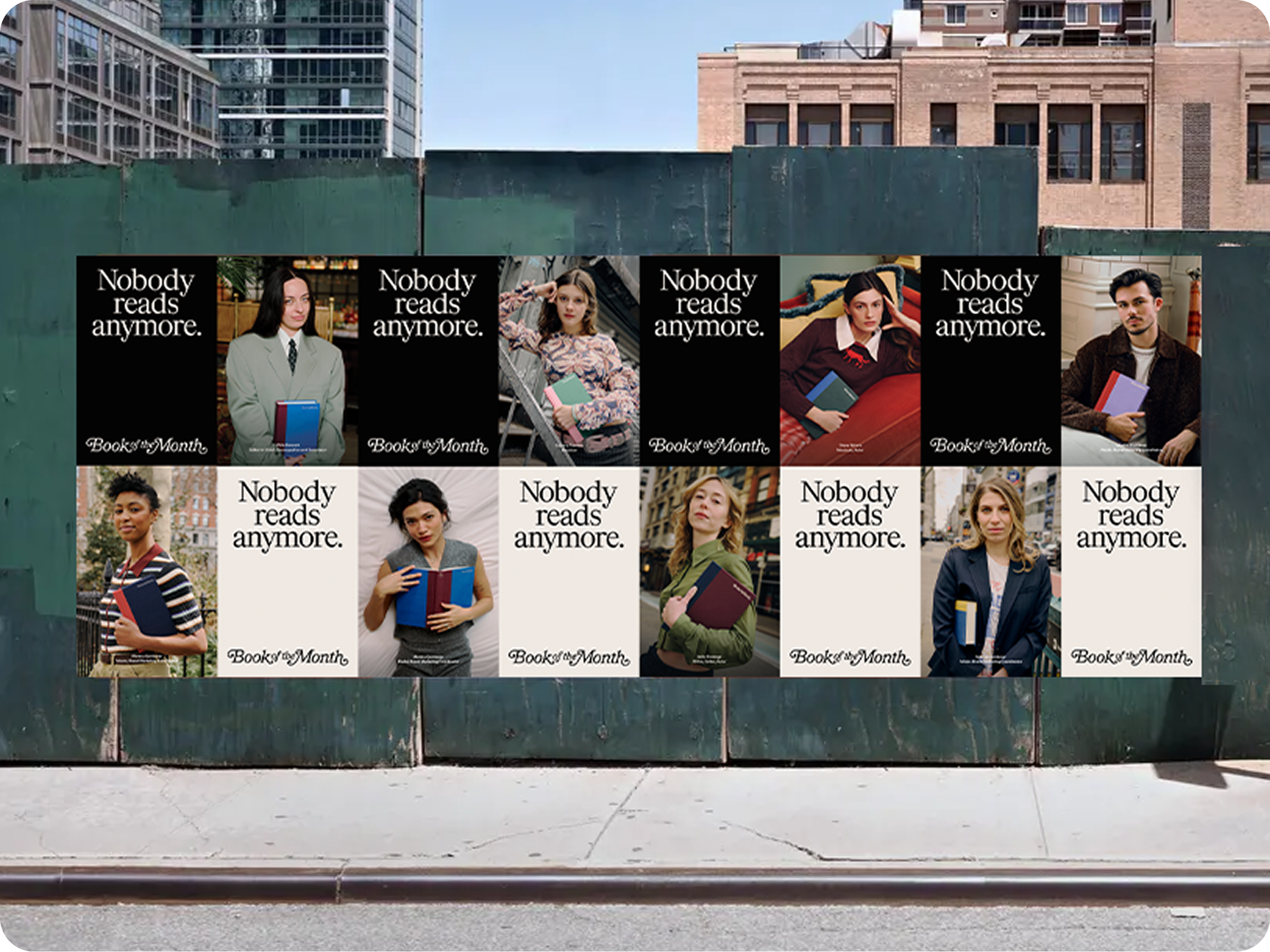
Fiction forward
At Book of the Month, we believe deeply in the future of fiction. That’s why we’re nurturing the new reading renaissance by surfacing, publishing, and promoting the books that matter most.
01
We focus on curation, identifying a handful of truly exceptional titles from the thousands published each year.
02
We invest in discovery, spotlighting new and emerging voices that might otherwise struggle to break through.
03
We unfailingly celebrate reading as one of life’s great pleasures in everything we do.
We’re proud to be among the largest advertisers of books in America across both paid and organic channels. In a consumer culture saturated with competing content, someone has to make the case for reading. We always have, and we always will.
Here’s to the next 100 years of Nobody Reading Anymore.